
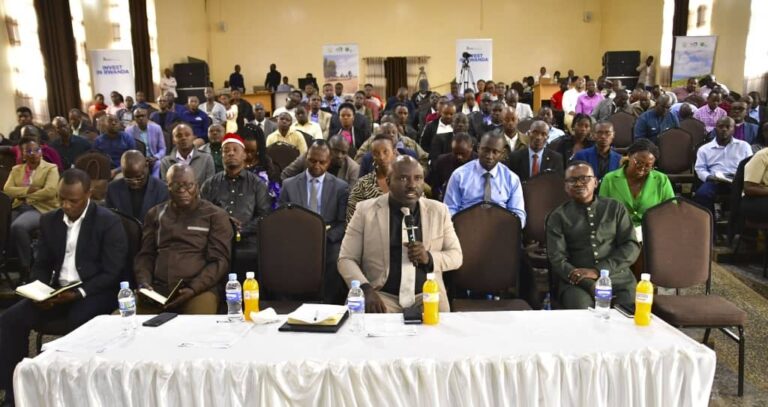
Rwanda’s Northern Province district of Gicumbi District has been spotlighted as a promising investment destination, with government officials and private sector leaders calling for increased capital inflows to unlock its untapped economic potential.
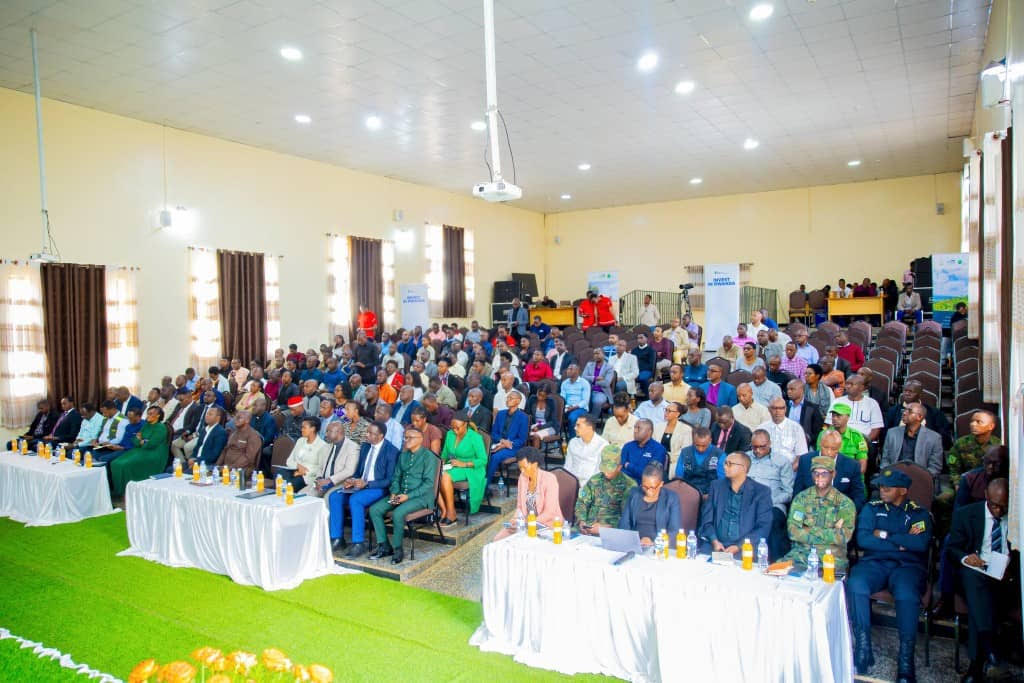
This was the focus of the Gicumbi Investment Forum held on March 26, 2026, bringing together district leaders, investors, and development partners in collaboration with the Rwanda Development Board. The forum aimed to showcase investment opportunities across key sectors including agriculture, tourism, real estate, and trade.
Opening the forum, Gicumbi Mayor Emmanuel Nzabonimpa emphasized that the district is built on strong development fundamentals, including fertile land, a favorable climate, and a youthful, energetic population.“
Gicumbi is rich in opportunities that remain largely underexploited. Our vision is to work closely with the private sector to unlock this potential and improve the livelihoods of our people,” he said.
The Minister of ICT and Innovation, Paula Ingabire, who also serves as the government’s representative in the district, underscored Gicumbi’s strategic geographic position along the Rwanda–Uganda border as a key driver for cross-border trade.
“Gicumbi is not just a promise for the future; it is an opportunity that exists today,” she stated.
She noted that despite its natural advantages, rolling hills, fertile soils, and proximity to regional markets the district has yet to fully capitalize on its investment potential.
Significant progress in infrastructure development has strengthened Gicumbi’s attractiveness to investors. Key road networks such as the Kigali–Gatuna highway and the Base–Rukomo–Nyagatare road have improved connectivity and eased the movement of goods and people.
Access to electricity has reached over 80% of households, while clean water coverage stands above 93%.
In addition, the district boasts growing social infrastructure, including at least one Technical and Vocational Education and Training (TVET) school in every sector, 24 health centers, and 77 health posts, factors seen as critical in supporting both investors and the local workforce.
However, leaders acknowledged that challenges remain, particularly in hospitality and urban infrastructure. Limited hotel capacity, especially in Byumba town, has forced some visitors to seek accommodation in Kigali or Musanze. To address this gap, the district has earmarked areas such as Kibali and Nyagatoma for real estate and hospitality investments.
Tourism also emerged as a high-potential sector, with attractions such as Umurindi w’Intwari, royal heritage sites in Rutare, the biodiversity-rich Rugezi Wetland, and Lake Muhazi offering opportunities for eco-tourism and cultural tourism development.
Local leaders and residents have called for further investment in preserving historical heritage, including proposals to establish a museum showcasing Rwanda’s royal history.
Lake Muhazi, in particular, was highlighted as a growing economic engine, supporting both fisheries and tourism-related businesses. Residents say investment in the area has already begun to transform livelihoods.
“The arrival of investors has helped me expand my livestock farming and supply products. I have been able to build a house, buy land, and improve my living conditions,” said a resident from Bukure Sector.
In agriculture, initiatives such as the Green Gicumbi program are promoting sustainable farming, especially tea cultivation on hillsides, helping to boost farmer incomes while protecting the environment from soil erosion.
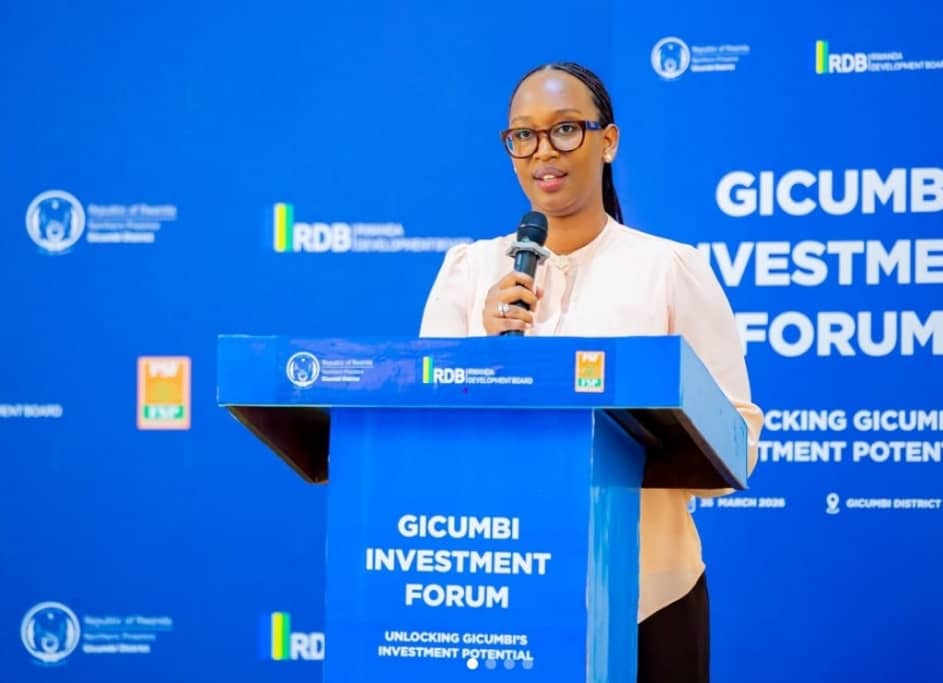
The Head of Investment at the Rwanda Development Board, Michelle Umurungi, encouraged investors to seize the available opportunities, noting that Gicumbi offers strong returns aligned with sustainable development goals.
“We encourage investors to explore Gicumbi as a destination with high potential and promising returns. Unlocking these opportunities will contribute to national development goals, particularly increasing private sector investment under NST2,” she said.
District authorities also outlined future plans, including urban expansion projects in areas such as Nyagatoma and Cyamutara, as well as road development projects to further enhance connectivity.
According to data from the National Institute of Statistics of Rwanda, Gicumbi ranks among the top-performing districts, reflecting steady progress in socio-economic development.
Overall, stakeholders at the forum agreed that while Gicumbi’s potential remains largely untapped, strengthened collaboration between the public and private sectors could transform the district into a major economic hub in northern Rwanda. (End).