
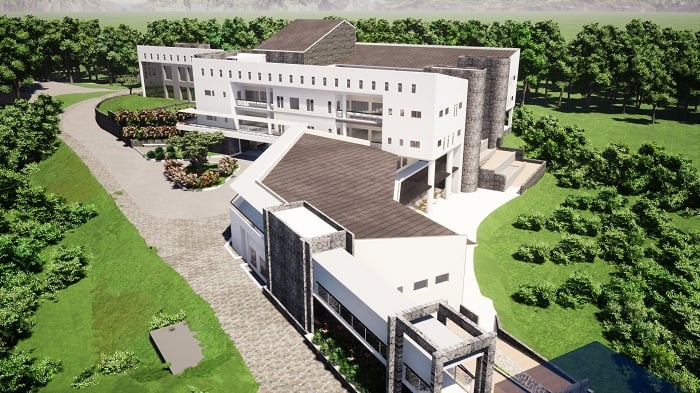
Butaro Level II Teaching Hospital in Burera District faces annual losses exceeding Rwf2 million while caring for patients abandoned by their families, as health officials warn that leaving seriously ill patients without caregivers can put their lives at risk.
Some patients are brought to the hospital by relatives who later leave them behind, often believing that their loved ones have little chance of recovering. Two patients receiving treatment at the facility described the distress of facing illness without family support.
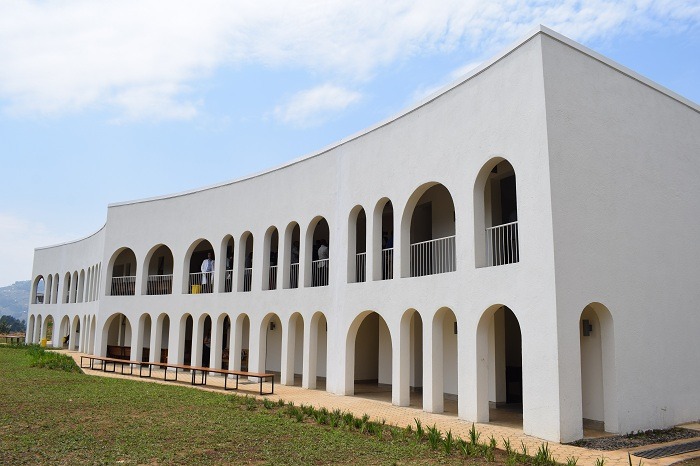
Butaro Hospital
One patient said: “I am here alone. I came here, and my elder brother left me here and went away. He does call me, but that is where it ends. I have accepted the situation. I take care of myself and stay here.”
Another patient said repeated attempts to reach relatives had failed to bring them to the hospital.
“I called them, but they do not come to see me. When it comes to visiting me, they tell me no, that I should take care of myself and manage on my own,” the patient said.
Partners In Health Rwanda says it supports Butaro Hospital and other health facilities in caring for patients abandoned by their families.
Dr Egide Mpanumusingo, the organisation’s District Program Director in Burera, said abandonment affects different categories of patients, including people with mental health conditions and those suffering from severe illnesses such as cancer.
“People with mental health conditions are often among those abandoned, but it also happens to patients with severe illnesses such as cancer, particularly those who have come from far away,” he said.
Dr Mpanumusingo explained that some relatives lose hope when they see a patient’s condition deteriorating, prompting them to leave the patient at the hospital.
“When a relative sees that the patient is very ill, they may start wondering, ‘How will I take this body home? What can I do when I see that nothing seems to be changing?’ They may then decide to abandon the patient,” he said.
He added that Partners In Health works with the hospital to identify abandoned patients, comfort them and ensure they receive support.
The organization says finding caregivers for abandoned patients costs about Rwf500,000 annually, while their overall care costs approximately Rwf1.6 million. Separately, it spends more than Rwf532 million annually supporting patients through transport, food and medication assistance.
Butaro Hospital receives between 180 and 200 outpatients daily who come for treatment and return home.
Dr Sarah Kayesu Rwema, Director of Medical and Allied Health Science Services of the hospital, urged families to remain close to sick relatives, emphasizing that treatment involves more than medication.

Dr Sarah Kayesu Rwema, Director of Medical and Allied Health Science Services
“What we ask is that families come prepared to be patient with the illness and gradually learn how to support their loved ones. Even when a patient receives what I would call emotional support from family members, friends and relatives, it makes a difference, because treatment is not only about medication,” she said.
“Having someone close to you who says, ‘Be strong, do not worry,’ can itself contribute to a patient’s recovery. We therefore urge people to avoid abandoning or throwing away their sick relatives,” she added.
Dr François Uwinkindi, Division Manager/Non-Communicable Diseases at the Rwanda Biomedical Centre (RBC), said care for people with chronic illnesses should extend beyond hospitals into their homes and communities.
“Someone suffering from back pain or another illness they have lived with for a long time needs treatment, but the people living with them should also understand how to accompany and support them,” he said.
Health officials say family involvement can help patients cope with prolonged illness, avoid discouragement and improve their well-being. They are urging relatives to work with healthcare providers rather than abandon patients when treatment becomes difficult. (End)