
By Alain DESTEXHE*
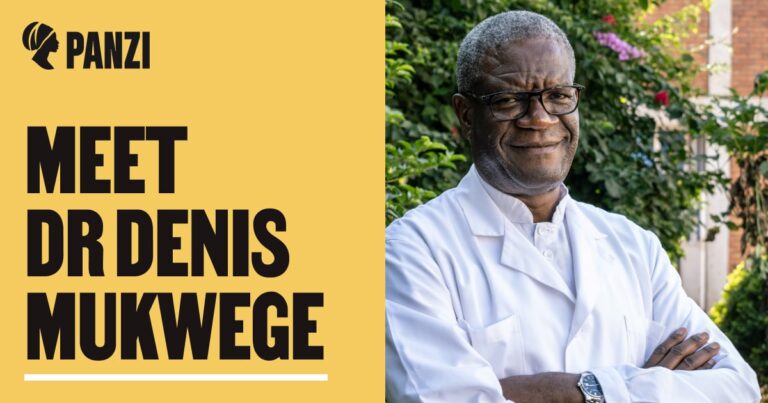
By mobilising the network of Nobel Prize winners, Dr Denis Mukwege persuaded some of them to sign an article published in Le Monde that was riddled with factual errors and untruths about the crisis in the DRC.
The process is well known: Nobel laureates sign out of sympathy, without ever having been to the east of the DRC – or even to the country itself.
I have just spent several days in the heart of the mountainous Masisi region, west of Goma. Until recently disputed between the FARDC and the M23, this area has now been pacified. Last Sunday, I walked – yes, walked – 27 kilometres along steep paths. In every village I passed, I took the time to talk to the locals.
They all told me the same thing: since the region came under M23 control, calm has returned. There are no more incursions by the FDLR or the Wazalendo, and the population is no longer subjected to the arbitrary actions of the FARDC.
The border with Rwanda is also no longer the scene of armed incursions by the FDLR, the descendants of the 1994 genocide in Rwanda. The FDLR and the Wazalendo – militias armed by Kinshasa – have been pushed further west.
A Nobel Peace Prize winner should be delighted to see these terrorist groups suffer setbacks, but he says nothing about it in his article. Unfortunately, these are the same groups that Félix Tshisekedi’s regime – which Dr Mukwege has chosen to support – finances, arms and equipment.
He also makes this absurd comparison with the war in Ukraine. According to him, just like Russia in Ukraine, Rwanda – though eight times less populated and 90 times smaller – would be the aggressor of the DRC (102 million inhabitants)!
The peace that now reigns in a large part of Kivu deserves to be recognised, and even applauded. I invite Dr Mukwege and his fellow signatories to go to Goma, in the Kivus, to see for themselves the situation on the ground – and to come and walk with me in the pacified Masisi. (End).
* Alain DESTEXHE. Honorary Belgian Senator. Initiator and Secretary of the Belgian Senate Inquiry Commission on Rwanda (1997).