
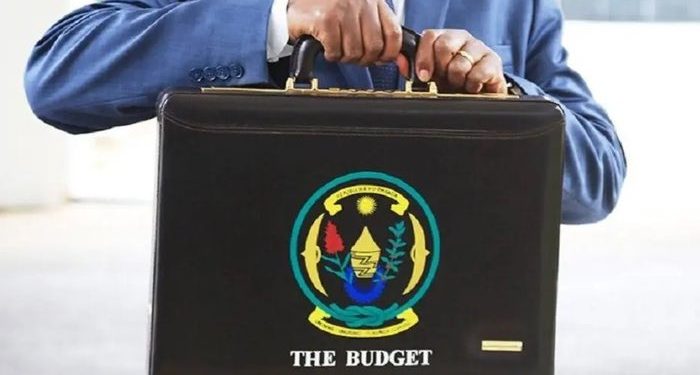
The Senate Plenary of 18 June 2026 approved recommendations on the draft law determining the State Budget for the 2026/2027 fiscal year, noting that the proposed budget allocation is aligned with key national priorities aimed at accelerating economic growth, improving citizens’ welfare, and strengthening good governance in line with the Second National Strategy for Transformation (NST2 2024–2029).
During the examination of the draft budget law, Senators observed that the proposed allocations support the implementation of the fundamental principles enshrined in Article 10 of the Constitution of the Republic of Rwanda. The Senate further noted that several recommendations it had previously submitted during the review of the budget framework had been incorporated into the final draft budget.
Among the recommendations that were taken into consideration is the increase in funding for transport infrastructure, particularly in rural areas. This adjustment is expected to improve connectivity and address the isolation of communities that currently lack access to reliable transport services due to poor road and bridge infrastructure.
The Senate also welcomed the increase in funding dedicated to the development of industrial infrastructure, reflecting Government efforts to strengthen industrial productivity and support exports.
In the area of memorial preservation, the Senate’s recommendation to allocate resources for the construction, expansion, and management of Genocide against the Tutsi memorial sites was considered. Budget provisions have been made to support these activities in the districts of Kayonza, Rwamagana, Nyamasheke, and Huye, with plans to extend similar support to other districts as resources become available.
The Senate further noted an increase in the overall budget allocated to support survivors of the Genocide against the Tutsi. This increase is expected to contribute to the construction and rehabilitation of housing for vulnerable survivors who either lack adequate shelter or live in deteriorated housing conditions.
In addition, Senators observed that provisions have been made to facilitate the relocation of citizens living in islands and other areas considered unsuitable for human settlement. Budget increases in both urban and rural settlement development programmes, as well as social protection initiatives, are expected to support these relocation efforts.
The Senate reiterated its commitment to ensuring that public resources are allocated efficiently and in a manner that advances national development priorities, promotes social welfare, and improves the living conditions of all Rwandans. (End).